
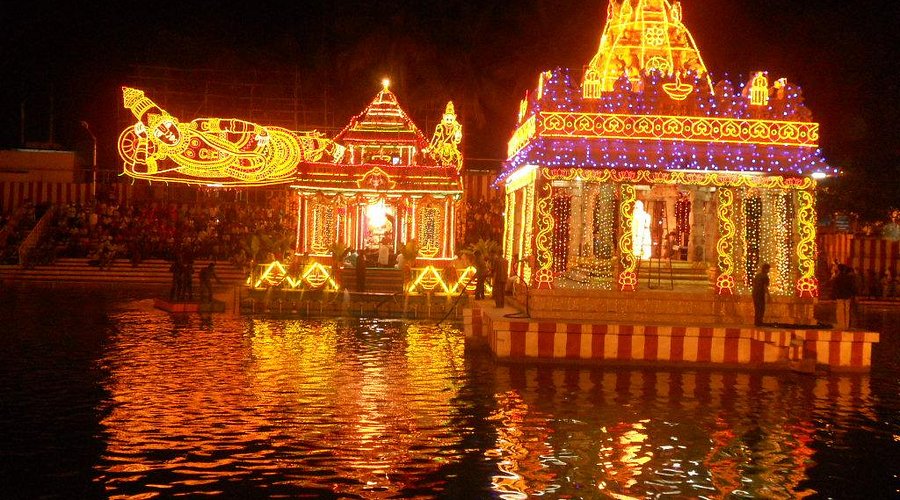
Tirupati

Tirupati

Tirupati—specifically the Sri Venkateswara Swamy Temple atop the Tirumala hills in Andhra Pradesh—is one of the most prominent, historic, and heavily visited pilgrimage sites in the world.


Here is a breakdown of its rich history, followed by some frequently asked questions.

​The Historical Content

​The history of Tirupati is a blend of sacred Puranic legends and centuries of royal patronage from South India’s greatest empires.

​1. Mythological Origins

​According to Hindu scriptures, the temple is recognized as Kaliyuga Vaikuntham (the earthly abode of Lord Vishnu during the present age of Kaliyuga). Legend says that Lord Vishnu manifested here as Venkateswara to save humanity from the trials of this age.

  • To wed Princess Padmavati, the Lord took a massive loan from Kubera (the god of wealth).
  • It is believed that the temple’s continuous flow of donations from devotees is helping the Lord repay the interest on that cosmic loan.

Royal Patronage Through the Ages

​While the original idol is considered Swayambhu (self-manifested) and ancient texts trace the site back thousands of years, historical construction records date from around 300 CE onwards.

  • Early Dynasties: The Pallavas of Kancheepuram (9th century) and the Cholas of Thanjavur (10th century) heavily expanded the temple. The first recorded major endowment was by Pallava Queen Samavai in 966 CE, who donated land and precious jewels.
  • The Golden Era (Vijayanagara Empire): During the 14th to 16th centuries, the temple reached its peak wealth and architectural grandeur. Emperor Sri Krishnadevaraya was a zealous devotee; he visited multiple times and funded the gilding of the Ananda Nilayam (the golden roof over the inner sanctum). Copper statues of him and his consorts still stand at the temple portals.
  • The Maratha & British Eras: In the 18th century, Maratha general Raghoji Bhonsle established a structured administration for the temple. In 1843, the British East India Company handed management over to the Hatiramji Mutt. Finally, the Tirumala Tirupati Devasthanams (TTD) was legally established in 1933 to manage the sprawling estate.

FAQs

Why do devotees shave their heads at Tirupati?
​This is an act of humility and ego-surrender. Mythologically, it traces back to a mishap where Lord Venkateswara lost a small portion of his hair. A Gandharva princess named Neela Devi offered her own locks to cover the spot. Touched by her sacrifice, the Lord decreed that any devotee who sacrifices their hair at his abode will have their wishes fulfilled.
​Why are the eyes of the main idol partially covered?
​The main idol's eyes are adorned with a large, thick white Tilak made of camphor, leaving only a small portion visible. It is traditionally believed that the spiritual intensity of the deity's direct gaze is too powerful and overwhelming for a human to behold directly.
​Is it true that the idol "sweats"?
​Yes, temple priests and records note that despite the inner sanctum (Garbhagudi) being cool, the back of the stone deity occasionally develops fine moisture droplets resembling sweat. It is routinely wiped away by the priests using a silk cloth.
What is the "Tirupati Laddu" and why is it famous?
​The Tirupati Laddu is the official Prasadam (sacred food offering) given to devotees. Made of chickpea flour, ghee, sugar, raisins, and cardamom, it has been prepared for over 300 years under strict traditional guidelines called Dittam. It holds a protected Geographical Indication (GI) tag, meaning no one else in the world can legally replicate and sell it under that name.
How do I book tickets for a visit?
​All bookings—including Special Entry Darshan (Rs. 300 tickets), accommodation, and specific rituals (Sevas)—must be done in advance through the official TTD online portal. Tickets open in monthly slots and usually sell out within minutes of release. ​For a deeper visual look into the hidden mysteries and unique spiritual phenomena associated with the shrine, you can check out this short feature on the Unknown Facts Of Tirupati Balaji Temple, which highlights details about the inner sanctum and its age-old rituals.

Price From : ₹400/-

Address

Near Avaloormadam temple, thathampally po, pin code 688013, Alleppey, Kerala, india