
Tour Kerala
Kerala—famously known as “God’s Own Country”—is one of India’s top travel destinations, renowned for its tranquil backwaters, lush hill stations, pristine beaches, and rich cultural heritage.
Here is a comprehensive guide to planning a Kerala tour, covering the best destinations, popular itinerary highlights, and frequently asked questions (FAQs).
Popular Destinations & Highlights
Alappuzha (Alleppey) & Kumarakom (The Backwaters)
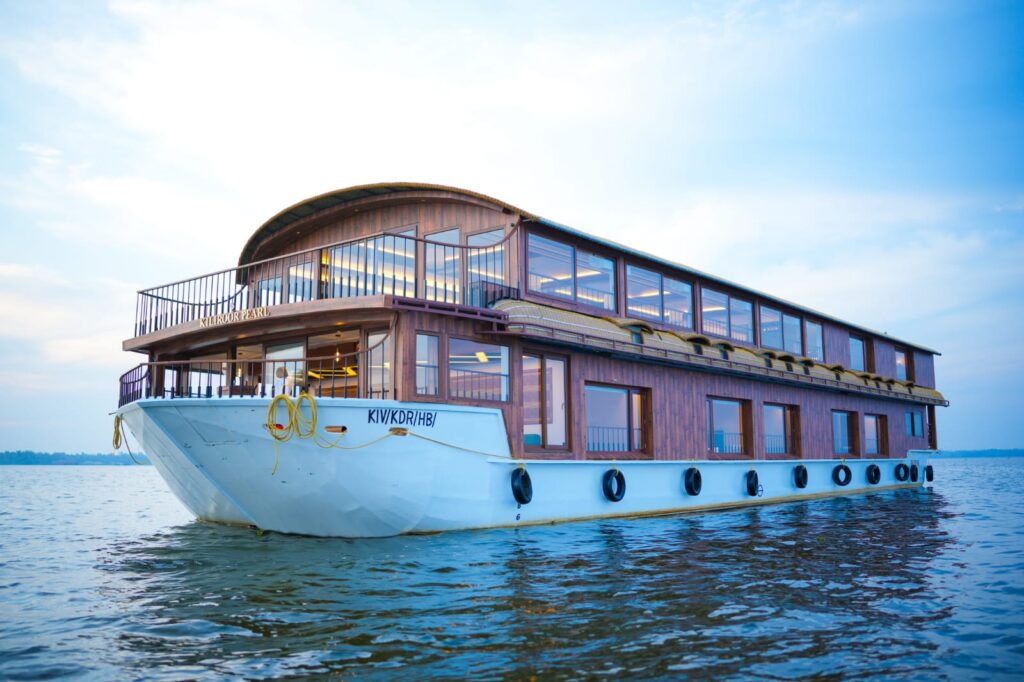
The Experience: Cruising and overnight stays on traditional Kerala houseboats (Kettuvallam), smaller shikara boat rides through narrow canals, and watching village life along the banks.
Key Highlights: Vembanad Lake, Punnamada Lake, and serene paddy fields below sea level (Kuttanad).
Munnar (The Hill Station)
The Experience: Rolling emerald-green tea plantations, misty mountains, waterfalls, and cool weather.
Key Highlights: Eravikulam National Park (home to the endangered Nilgiri Tahr), Anamudi Peak (highest peak in South India), Mattupetty Dam, and tea museums.
Wayanad
The Experience: Rugged mountains, spice plantations, caves, and wildlife sanctuaries.
Key Highlights: Edakkal Caves, Chembra Peak (heart-shaped lake), Banasura Sagar Dam (India’s largest earthen dam), and wildlife safaris in Wayanad Wildlife Sanctuary.
Thekkady (Periyar)
The Experience: Wildlife exploration, spice garden tours, and bamboo rafting.
Key Highlights: Periyar Tiger Reserve, boat safaris on Periyar Lake, and night jungle patrols.
Kochi (Cochin) (The Heritage Port City)
The Experience: A blend of colonial history, art, and coastal life.
Key Highlights: Chinese Fishing Nets, Fort Kochi, Mattancherry Palace (Dutch Palace), Jewish Synagogue, and Kathakali/Kalaripayattu cultural performances.
Kovark & Varkala (The Beaches)
The Experience: Sun, sand, and dramatic cliffside views.
Key Highlights: Varkala Cliff (overlooking the Arabian Sea), Papanasam Beach, and the historic Lighthouse at Kovalam.
Suggested 6-Day / 5-Night Classic Kerala Itinerary
Day 1: Arrival in Kochi → Sightseeing (Chinese Fishing Nets, Fort Kochi)
Day 2: Drive from Kochi to Munnar → Check-in at resort, evening walk through tea gardens
Day 3: Full-day Munnar exploration (Eravikulam National Park, Mattupetty Dam, Tea Museum)
Day 4: Drive from Munnar to Alleppey → Board a traditional overnight houseboat cruise through the backwaters
Day 5: Disembark houseboat in morning → Drive to Kochi or head to a beach destination like Marari or Varkala for relaxation
Day 6: Departure from Kochi (or Trivandrum)
Frequently Asked Questions (FAQs)
1. What is the best time to visit Kerala?
October to March (Winter/Dry Season): This is the peak and ideal time to visit. The weather is pleasant, cool, and comfortable for sightseeing, beach visits, and backwater cruises.
June to September (Monsoon Season): Kerala experiences heavy southwest monsoon rains. This is the best time for Ayurvedic treatments and rejuvenation therapies, as the cool, dust-free atmosphere is considered optimal for healing. It is also popular among nature lovers for scenic waterfalls and lush greenery.
April to May: Can be quite warm and humid, but hill stations like Munnar and Wayanad remain relatively pleasant.
2. What are the must-try local foods in Kerala?
Kerala Sadya: A traditional vegetarian feast served on a banana leaf during festivals and weddings (features rice, sambar, avial, payasam, and dozens of accompaniments).
Appam with Stew: Soft, lacy fermented rice pancakes paired with vegetable or chicken stew in rich coconut milk.
Karimeen Pollichathu: Pearl spot fish marinated in spices, wrapped in a banana leaf, and pan-roasted.
Kerala Parotta & Beef/Chicken Curry: Flaky layered flatbread served with spicy regional curries.
Banana Chips (Nenthra-upperi): Crispy chips fried in pure coconut oil.
3. How do I book a houseboat in Alleppey, and what is included?
Houseboats can range from 1-bedroom to multi-bedroom boats depending on your group size.
Inclusions: A standard overnight houseboat booking typically includes a private boat, a dedicated crew (boat captain, engine driver, and a personal onboard chef), and all meals (welcome drink, lunch, evening tea with snacks, dinner, and breakfast) featuring authentic local cuisine.
4. What are the best ways to travel within Kerala?
Private Cabs: Hiring a dedicated AC cab (with a local driver) for the entire duration of your trip is the most convenient and comfortable way to navigate between hill stations, backwaters, and cities.
Trains & Buses: Kerala has an extensive rail and KSRTC bus network connecting major towns, which is great for budget travelers.
Ferry Services: Public and tourist ferries operate across the backwaters in Alappuzha and Kochi as a scenic, low-cost transit option.
5. What should I pack for a trip to Kerala?
Lightweight, breathable cotton clothing for coastal and backwater areas.
Light woolens or jackets if you are visiting hill stations like Munnar or Wayanad during the evenings and winter months.
Comfortable walking shoes or sandals for trekking and exploring heritage streets like Fort Kochi.
An umbrella or light raincoat if you are traveling during the monsoon or shoulder months.
Modest clothing (shoulders and knees covered) when visiting traditional temples, churches, or mosques.
If you have specific dates, preferred duration, or specific interests (like Ayurveda, adventure sports, or family-friendly pacing), let me know and I can tailor a custom itinerary for you!