
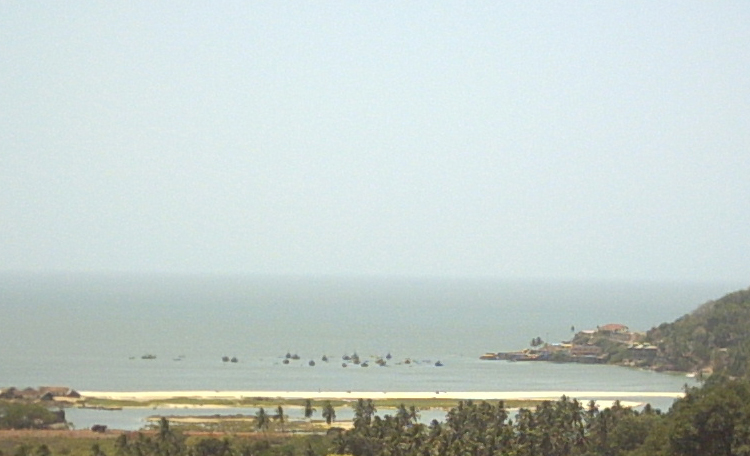
Vengurla
Vengurla, situated in the southernmost part of the Sindhudurg district in Maharashtra, is a historic port town located just north of the Goa border. Framed by a semicircular range of hills covered in lush cashew, mango, and coconut plantations, Vengurla’s history centers around international spice trade rivals, colonial corporate fortresses, and violent naval encounters.
Historical Background
1. The Dutch Spice Frontier (1638)
Vengurla entered global maritime history during the 17th century when it caught the attention of the Dutch East India Company (VOC). Looking for a strategic base to break the Portuguese monopoly in nearby Goa, the Dutch struck a deal with the Adil Shahi Sultan of Bijapur.
In 1638, the Dutch built a heavily fortified trade factory (Dutch Factory) in Vengurla. It quickly grew into a bustling international commercial depot, processing rich shipments of spices, Malabar pepper, and fine textiles traded between India, Japan, Europe, and Persia.
2. Under Maratha Rule & The Port’s Defense
Recognizing Vengurla’s immense economic prosperity, Chhatrapati Shivaji Maharaj brought the town under Maratha governance in 1664. To secure the shipping lanes from foreign piracy, he heavily fortified the surrounding cliffs.
Later, under the Sawantwadi kingdom (feudal rulers allied with the Marathas), the region became infamous among European traders as a lair for the “Malvan Pirates”—local naval fleets that aggressively intercepted British East India Company ships to assert territorial tax rights.
3. British Conquest & Colonial Rule (1812)
To stop the constant maritime attacks, British forces launched campaigns against the regional coastal fortifications. In 1812, the British completely seized Vengurla and dismantled its primary defensive networks. They established it as a critical port town for the Bombay Presidency, using it to move troops and military supplies between Bombay and their south-Indian outposts.