
Jammu and kashmir
The history of Jammu and Kashmir (J&K) is a rich tapestry that spans thousands of years, evolving from ancient Hindu and Buddhist roots to Islamic sultanates, and finally into a modern geopolitical flashpoint.
An overview of Jammu and Kashmir (J&K), covering its geographical regions, major attractions, cultural experiences, and travel logistics, follows.
Overview & Geography
Identity: A Union Territory of India situated in the northernmost region of the country, nestled within the Western Himalayas.
Dual Capitals:
Srinagar: Summer capital (May–October).
Jammu: Winter capital (November–April).
Two Main Regions:
Kashmir Valley: An alpine valley known for snow-capped mountains, high-altitude lakes, pine forests, and flower-filled meadows.
Jammu Region: Located in the lower Shivalik foothill range, renowned for its ancient temples, forts, and Hindu pilgrimage centers.
Climate:
Kashmir: Cold winters (–2\text{°C} to 8\text{°C}) with heavy snowfall; pleasant, mild summers (15\text{°C} to 30\text{°C}).
Jammu: Tropical/subtropical; warm summers (35\text{°C} to 40\text{°C}) and mild, crisp winters.
Key Regions & Major Attractions
RegionDestinationHighlights
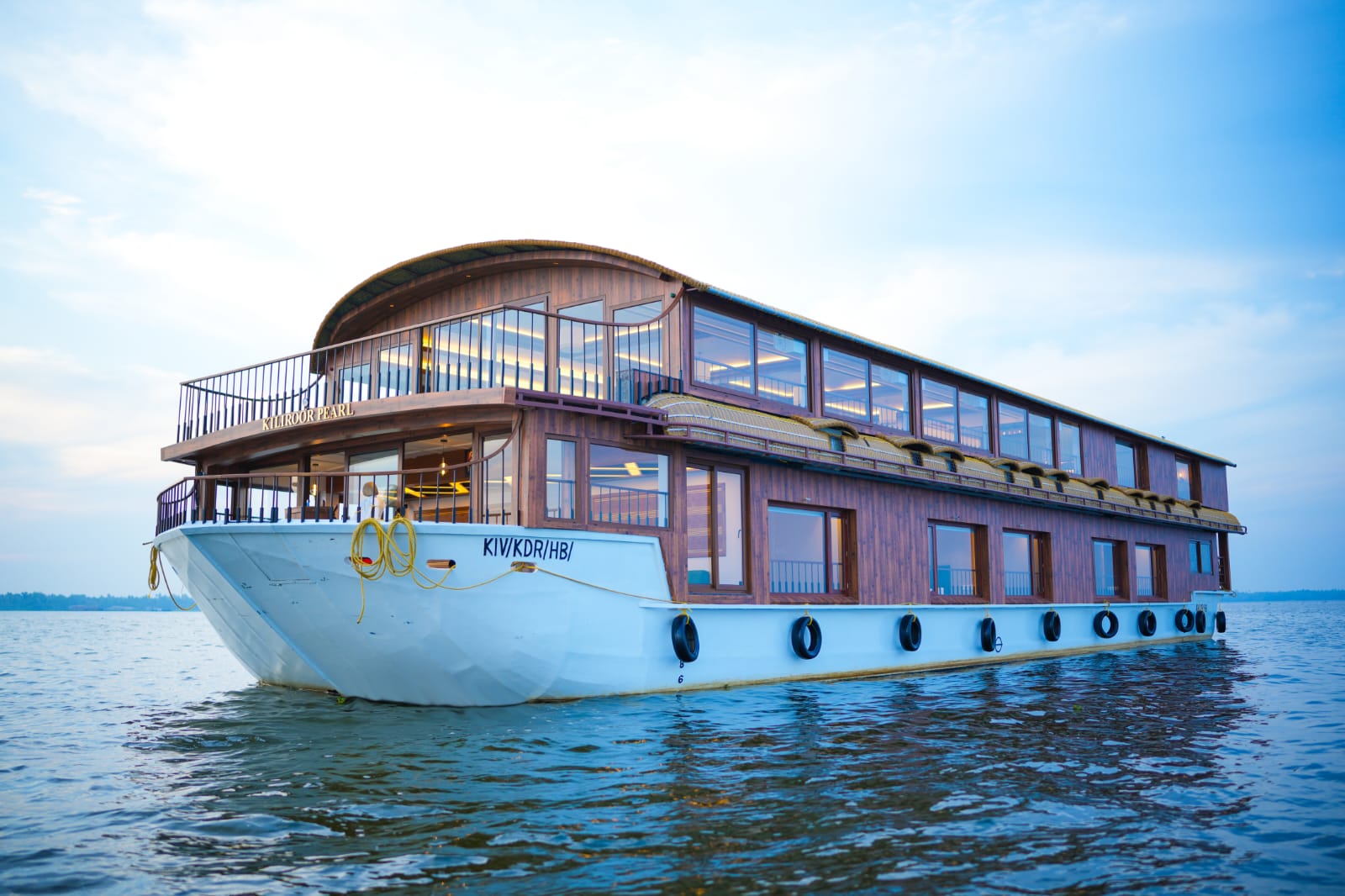
Kashmir ValleySrinagar• Dal Lake & Nigeen Lake: Stay in wood-carved luxury houseboats and take Shikara boat rides.
• Mughal Gardens: Shalimar Bagh, Nishat Bagh, and Pari Mahal.
• Tulip Garden: Asia’s largest tulip garden, open every spring (April).
• Spiritual Sites: Shankaracharya Temple and Hazratbal Shrine.
Gulmarg• Gulmarg Gondola: One of the world's highest cable cars, taking visitors to Apharwat Peak (3,980\text{ m}).
• Premier ski and winter sports destination in India (Jan–Feb).
Pahalgam• Located along the Lidder River. Base camp for scenic excursions to Betaab Valley, Aru Valley, and Chandanwari.
Sonamarg• Known as the "Meadow of Gold," featuring the Thajiwas Glacier and scenic alpine trekking trails.
Offbeat Spots• Doodhpathri, Yusmarg, and Gurez Valley for untouched landscapes and quiet mountain retreats.
Jammu RegionKatra / Vaishno Devi• Shri Mata Vaishno Devi Shrine: One of India’s most visited pilgrimage sites, featuring a 13\text{ km} trek from Katra base camp.
Jammu City• Raghunath Temple Complex, Bahu Fort & Bagh-e-Bahu, and the historic Mubarak Mandi Palace.
Patnitop & Sanasar• Patnitop: Lower Himalayan hill station offering pine forests, ropeways, and paragliding.
Culture, Craft & Cuisine
Handicrafts: Renowned globally for Pashmina shawls, hand-knotted silk carpets (Kal Baffi), walnut wood carvings, Papier-mâché art, and pure Saffron (Zafran) harvested in Pampore.
Cuisine:
Wazwan: A traditional 36-course royal Kashmiri feast featuring slow-cooked meat preparations like Rogan Josh, Rista, and Gushtaba.
Kahwa: Traditional green tea infused with saffron, cardamom, cinnamon, and slivered almonds.
Vegetarian Delights: Dum Aloo, Nadru Yakhni (lotus stem in yogurt gravy), and Dogra Ambal (sour pumpkin dish from Jammu).
Travel Logistics & Practical Details
Best Time to Visit:
Spring/Summer (April to October): Best for greenery, tulip blooms, sightseeing, and pleasant weather.
Winter (December to February): Ideal for snow lovers, skiing, and snowboarding in Gulmarg.
How to Reach:
By Air: Sheikh ul-Alam International Airport (SXR) in Srinagar and Jammu Airport (IXJ) offer direct flights to major Indian cities including Delhi, Mumbai, Bengaluru, and Chandigarh.
By Rail: Jammu Tawi (JAT) and Udhampur are major railheads on the Indian Railways network. The Vande Bharat Express connects Delhi to Katra directly.
By Road: Accessible via National Highway 44 (NH 44). The Chenani-Nashri Tunnel (Patnitop Tunnel) and Banihal Qazigund Tunnel connect Jammu and Srinagar year-round.
Permits & Registration: Standard tourist routes do not require permits for Indian citizens. However, pre-booking passes for the Gulmarg Gondola and registering online for the Vaishno Devi Yatra/Helicopter rides are required.