
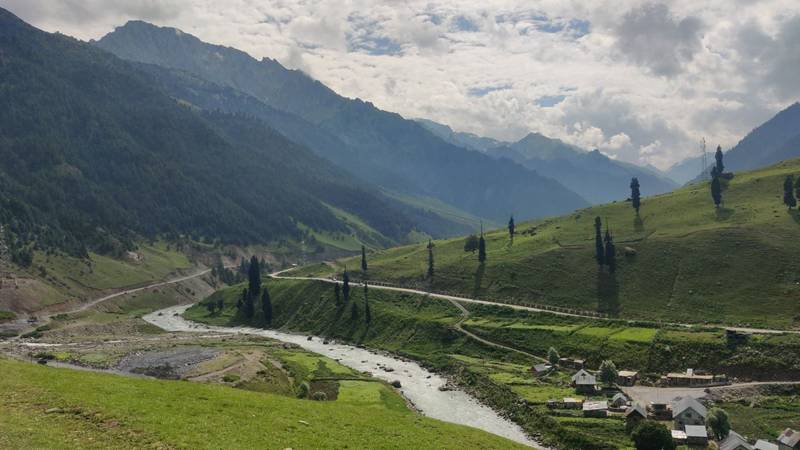
Trekking Itineraries In India
Trekking in India ranges from accessible high-altitude Himalayan trails in Uttarakhand and Himachal Pradesh to lush Western Ghats hikes in the south.
The classic Kedarkantha Trek (5 Days / 4 Nights) in Uttarakhand is one of India’s most iconic beginner-friendly Himalayan routes.
1. Classic Himalayan Trek Itinerary: Kedarkantha (5 Days / 4 Nights)
Location: Govind Wildlife Sanctuary, Uttarkashi, Uttarakhand
Max Altitude: 12,500 ft (3,810 m)
Difficulty: Easy to Moderate
Day-by-Day Breakdown
Day 1: Drive from Dehradun to Sankri Base Camp (6,400 ft)
Distance/Time: ~200 km | 9–10 hours drive
Highlights: Scenic mountain drive along the Yamuna and Tons rivers via Mussoorie and Purola. Evening gear check and safety briefing at Sankri homestay/guest house.
Day 2: Sankri to Juda Ka Talab (9,100 ft)
Trek: ~4 km | 4–5 hours
Highlights: Ascent through oak and pine forests. Overnight stay in alpine tents near Juda Ka Talab, a high-altitude lake surrounded by dense woodland.
Day 3: Juda Ka Talab to Kedarkantha Base Camp (11,250 ft)
Trek: ~4 km | 3–4 hours
Highlights: Steady climb out of the tree line into open meadows. Dramatic panorama of peaks like Bandarpoonch, Swargarohini, and Black Peak.
Day 4: Summit Day – Base Camp ➔ Summit (12,500 ft) ➔ Hargaon Camp (8,900 ft)
Trek: ~9 km total | 7–8 hours
Highlights: Early 3:00 AM start for sunrise at the summit. 360-degree views of the Garhwal Himalayan range. Descend to Hargaon campsite for overnight stay.
Day 5: Hargaon to Sankri Base Village ➔ Drive back to Dehradun
Trek & Drive: 6 km trek (2–3 hours) + 200 km drive back to Dehradun.
2. Infrastructure & Facilities on Himalayan Treks
Camp Accommodations:
High-altitude 3-season or 4-season alpine dome tents (twin or triple sharing).
Sub-zero rated sleeping bags (-10°C rating) with thermal inner liners and high-density foam insulating mats.
Food & Dining Setup:
Dedicated kitchen tent staffed by an alpine cook and helpers.
Three hot, freshly cooked vegetarian meals per day (rich in complex carbs) + evening hot tea/snacks.
Safe drinking water (boiled or purified with halogen/UV purification) supplied at each campsite.
Sanitation & Hygiene:
Dry pit toilet tents set up at designated campsite zones with sawdust/soil for eco-friendly odor control.
Zero-discharge policies strictly following Leave No Trace principles.
Safety & Emergency Equipment:
Portable medical oxygen cylinders, pulse oximeters, hyperbaric chambers (on high passes), and extensive wilderness first-aid kits.
Certified Trek Leaders (NIM/HMI certified) along with local mountain guides.
Traction gear (microspikes, gaiters, and trekking poles) provided during snow conditions.
Logistics & Porterage:
Mules and porters transport central camp equipment, food stock, and optional personal backpack offloading.
3. Frequently Asked Questions (FAQs)
Q1: When is the best season for trekking in India?
Answer:
Winter Treks (Dec – Mar): Snow treks like Kedarkantha, Brahmatal, and Chadar Trek.
Summer/Pre-Monsoon (Apr – Jun): Green meadows, rhododendrons (e.g., Har Ki Dun, Buran Ghati).
Monsoon (Jul – Sep): High-altitude rain-shadow regions like Valley of Flowers, Kashmir Great Lakes, and Hampta Pass.
Q2: What level of physical fitness is required for a Himalayan trek?
Answer: You should be able to jog 4 to 5 km in under 30 minutes comfortably. Preparation should begin 3–4 weeks prior to the trek, focusing on cardiovascular endurance (running, cycling) and leg strength (squats, lunges).
Q3: How do trekkers handle Acute Mountain Sickness (AMS) at high altitudes?
Answer: AMS prevention relies on proper acclimatization (gaining altitude gradually), staying hydrated (3–4 liters of water daily), avoiding alcohol, and climbing slowly (“walk like a turtle”). Trek leaders monitor oxygen saturation levels daily using oximeters.
Q4: Do I need permits to trek in India?
Answer: Yes, most Himalayan trails pass through protected National Parks or Sanctuary reserves (e.g., Govind Wildlife Sanctuary, Hemis National Park). Permits are usually handled directly by registered trek operators or local forest check posts.
Q5: What essential personal clothing and gear should I pack?
Answer:
Layering System: Synthetic base thermals, fleece mid-layer, and a heavy down/padded jacket.
Footwear: High-ankle, waterproof trekking shoes with deep lug soles ( do not use regular running shoes).
Protection: Polarized UV sunglasses (essential to prevent snow blindness), waterproof gloves, headlamp, and rain poncho.